

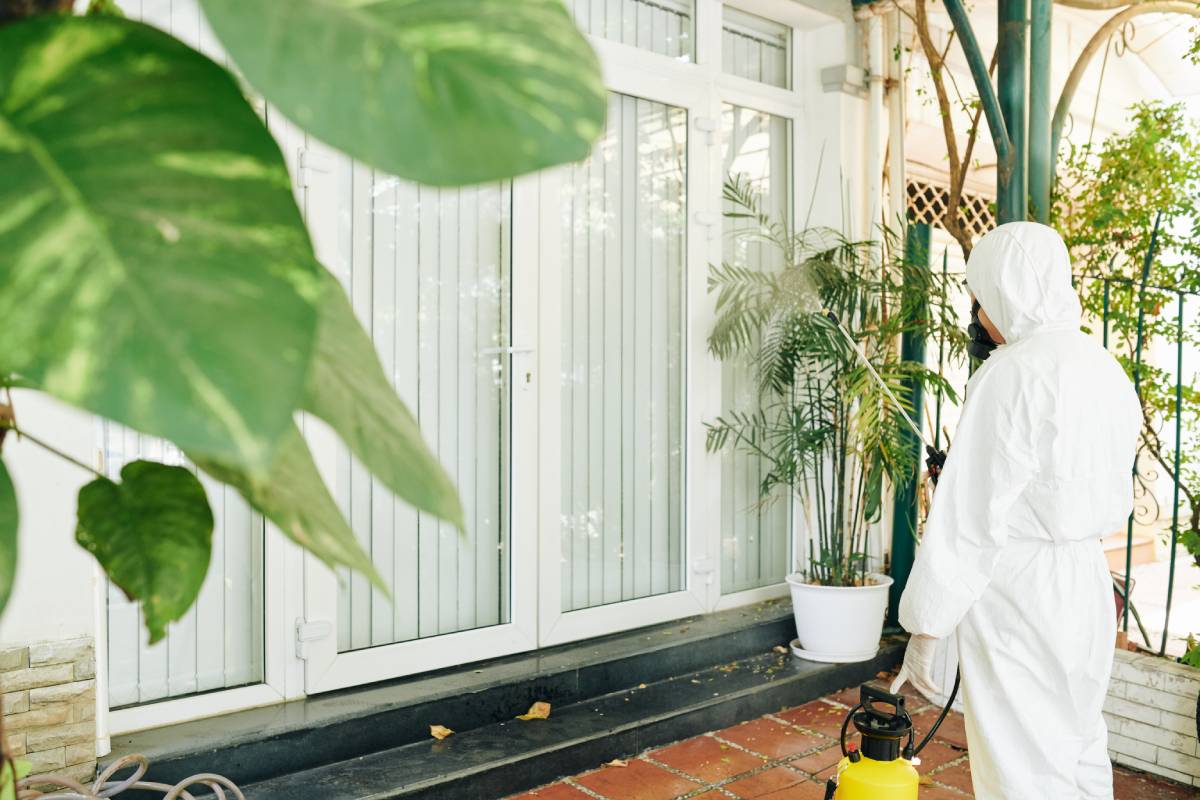


Moving into a new home is exciting—but it can also come with a few unwanted surprises, especially of the six-legged variety.
While your new space might look clean and freshly renovated, pests may still be hiding in the walls, under the floorboards, or in the garden. Insects are small, adaptable, and often hard to detect at first glance.
But if not handled early, they can turn from a minor annoyance into a full-blown infestation.
Here’s a comprehensive guide to the 10 most common insects to look out for when moving into your new home—and what to do if you find them.
1. Ants
Why they’re common: Ants are social insects, meaning where there’s one, there are likely hundreds or thousands. They’re attracted to food sources—especially sugary substances—and are quick to form trails between your pantry and their colony.
Where to look:
- Kitchen counters and cupboards
- Cracks in walls or around windows
- Under sinks or near plumbing
Warning signs:
- Long trails of ants
- Small piles of dirt or sand near entry points
- Winged ants (which could signal a larger nest nearby)
How to deal with them:
- Clean up food and crumbs immediately
- Seal entry points with caulk
- Use ant baits or hire a pest control service if the infestation is large
2. Cockroaches
Why they’re dangerous: Cockroaches aren’t just unpleasant to see; they’re also known to spread diseases like salmonella and E. coli. They thrive in warm, dark, and humid environments, making kitchens and bathrooms their ideal habitat.
Where to look:
- Behind appliances
- Inside cabinets or drawers
- In the bathroom under sinks or behind toilets
Warning signs:
- Droppings that resemble coffee grounds or pepper
- Musty, oily odour
- Shed skins and egg cases (called oothecae)
How to deal with them:
- Eliminate food and water sources
- Use bait stations and gel traps
- Call a pest control professional for larger infestations
3. Termites
Why they’re a major concern: Termites are sometimes called “silent destroyers” because they can chew through wood, flooring, and even wallpaper without being noticed. A termite infestation can lead to severe structural damage if left untreated.
Where to look:
- Wooden structures such as skirting boards or floor joists
- Basements or crawl spaces
- Outdoor decking or tree stumps near the home
Warning signs:
- Hollow-sounding wood
- Discarded wings near windowsills
- Mud tubes on exterior walls
How to deal with them:
- Contact a termite inspection specialist immediately
- Avoid moisture build-up near the home’s foundation
- Use termite baiting systems for long-term protection
4. Spiders
Why they’re found indoors: Most spiders are harmless and can even help control other pests. However, some species like the redback or funnel-web spider (in Australia, for example) can pose serious health risks.
Where to look:
- Corners of ceilings and behind furniture
- Garages, sheds, and basements
- Inside shoes or rarely-used clothing
Warning signs:
- Webs in quiet corners
- Egg sacs attached to walls or furniture
- Sudden spider sightings, especially larger ones
How to deal with them:
- Keep your home clutter-free
- Vacuum regularly in hidden corners
- Use insecticide spray or pest control if dangerous species are identified
5. Silverfish
Why they’re annoying: Silverfish don’t pose health risks but can be very destructive to books, wallpaper, and clothing. These insects thrive in moist, dark environments.
Where to look:
- Bathroom cabinets and drawers
- Basements or laundry rooms
- Behind wallpaper or baseboards
Warning signs:
- Small holes or yellowish stains on paper and clothing
- Live silverfish sightings, especially at night
How to deal with them:
- Dehumidify damp areas of your home
- Seal cracks and crevices
- Use sticky traps or boric acid powder
6. Carpet Beetles
Why they’re often overlooked: Carpet beetles don’t bite, but their larvae can cause significant damage to natural fibres like wool, fur, and silk. People may also develop skin rashes from contact with the larvae.
Where to look:
- Closets and under furniture
- Near baseboards or air vents
- Inside stored clothing and linens
Warning signs:
- Damage to carpets, rugs, and upholstery
- Shed larval skins
- Adult beetles near windows or light fixtures
How to deal with them:
- Vacuum frequently and thoroughly
- Wash affected clothing in hot water
- Consider professional treatment if infestation is widespread
7. Wasps and Bees
Why they’re a concern: While bees are generally harmless unless provoked, wasps can be aggressive, especially if they feel their nest is threatened. If you find a nest in or near your new home, it can make outdoor areas unsafe.
Where to look:
- Eaves, attics, or wall cavities
- Garden sheds or trees
- Outdoor furniture
Warning signs:
- Buzzing sounds in walls or ceiling voids
- Frequent sightings of wasps or bees near a specific area
- Visible nests made from paper-like material (for wasps)
How to deal with them:
- Do not try to remove the nest yourself
- Contact a licensed pest removal specialist
- Keep windows and doors closed during peak activity times
8. Bed Bugs
Why they’re troublesome: Bed bugs are incredibly hard to eliminate and can spread rapidly. They feed on human blood, mostly at night, and can cause itchy bites and allergic reactions.
Where to look:
- Seams of mattresses and box springs
- Behind headboards and bed frames
- In cracks in walls or floors
Warning signs:
- Small, red bite marks in a line or cluster
- Blood spots or dark fecal marks on bedding
- Musty odour in severe infestations
How to deal with them:
- Wash all bedding and clothing in hot water
- Vacuum thoroughly and dispose of the bag
- Professional heat treatment may be required
9. Fleas
Why they’re persistent: If the previous homeowners had pets, there might still be fleas or flea eggs in carpets and furniture. Even a home without pets can have fleas if wildlife or neighbourhood animals are nearby.
Where to look:
- Carpets and rugs
- Pet bedding or furniture
- Cracks in hardwood floors
Warning signs:
- Bites on your legs and ankles
- Pets scratching excessively
- Seeing fleas jumping in carpeted areas
How to deal with them:
- Treat pets with flea medication
- Use flea bombs or sprays
- Vacuum daily and dispose of vacuum bags immediately
10. Mosquitoes
Why they’re more than a nuisance: Mosquitoes are not just annoying—they can also carry diseases like dengue fever, Zika virus, or Ross River virus depending on your location.
Where to look:
- Standing water (like buckets, pots, gutters)
- Tall grass or overgrown gardens
- Inside near windows or behind curtains
Warning signs:
- Buzzing or biting indoors
- Water pooling in plant pots or clogged drains
- Itchy red bumps after time outdoors
How to deal with them:
- Remove standing water sources
- Install mesh screens on windows and doors
- Use mosquito repellents and plug-in devices
Final Tips for a Pest-Free Move-In
Moving into a pest-free home is all about prevention and early detection. Here are a few bonus tips to help ensure your new beginning stays bug-free:
- Inspect before you unpack: Check for droppings, webs, and signs of chewing in cupboards or closets.
- Clean thoroughly: Vacuum, mop, and disinfect before unpacking furniture or food.
- Seal gaps: Install door sweeps, repair broken screens, and seal any visible cracks.
- Consider a professional inspection: If the home is older or you’ve noticed signs of pests, schedule a pre-move pest inspection.
Conclusion
While your new home may feel like a fresh start, insects may already be hiding in corners you haven’t explored yet. From ants and termites to bed bugs and silverfish, each pest has its own quirks and preferred hiding spots. By knowing what to look out for and acting early, you can protect your home, your belongings, and your peace of mind.
Don’t hesitate to bring in expert help if needed—sometimes, professional pest control is the fastest path to a bug-free life in your new home.
One Response