



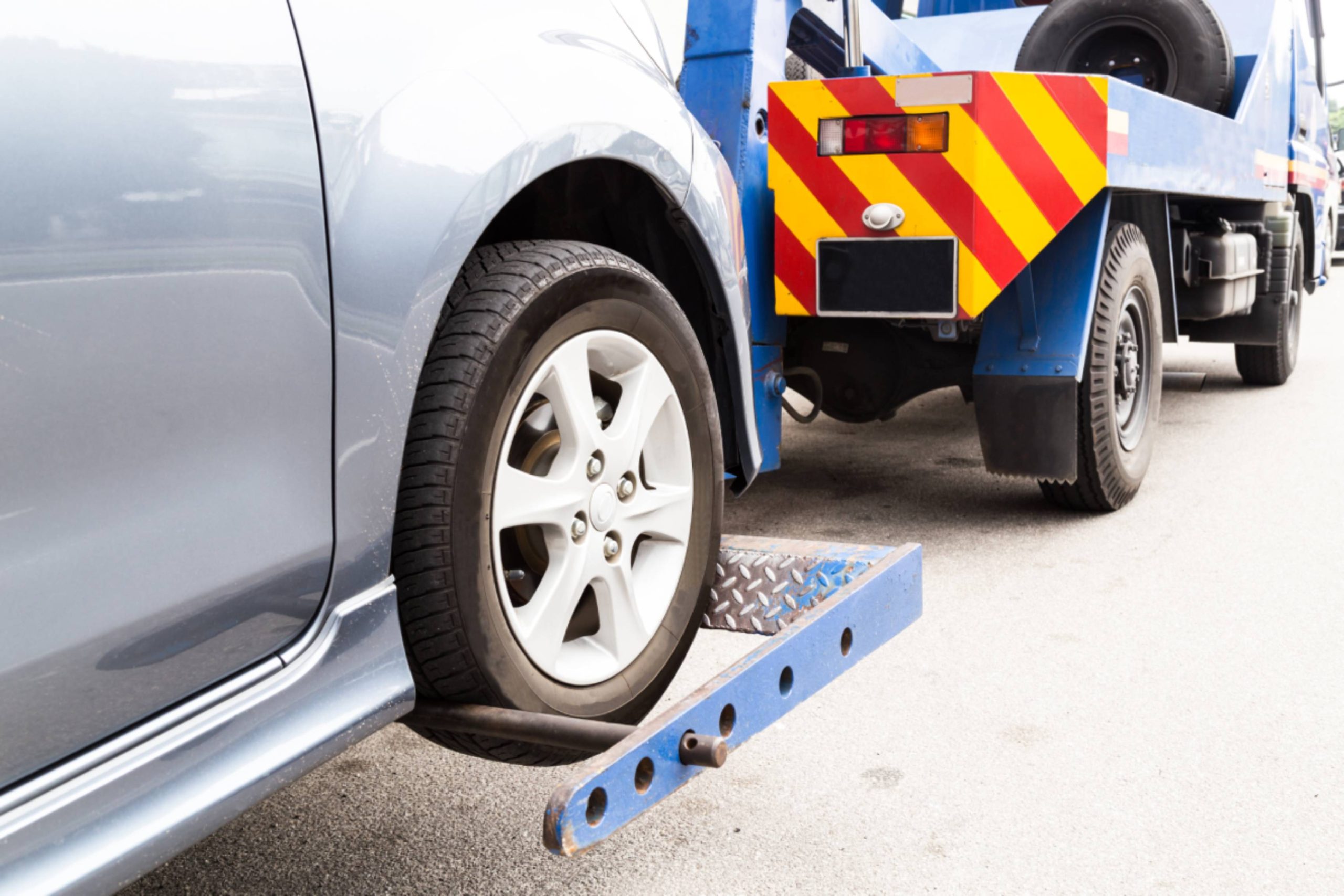
Towing a vehicle, especially one with an automatic transmission, can be a tricky task that raises many questions and concerns.
Improper towing methods can lead to costly damage, while choosing the right drive mode and towing technique can make all the difference in ensuring a smooth, safe journey.
Whether you’re planning to tow your car across the country or just want to understand how to protect your vehicle during towing, understanding the mechanics and best practices is essential.
In this article, we’ll explore whether towing damages automatic transmissions, which drive modes work best for towing, and the safest ways to tow a car over long distances.
Does Towing Damage an Automatic Transmission?
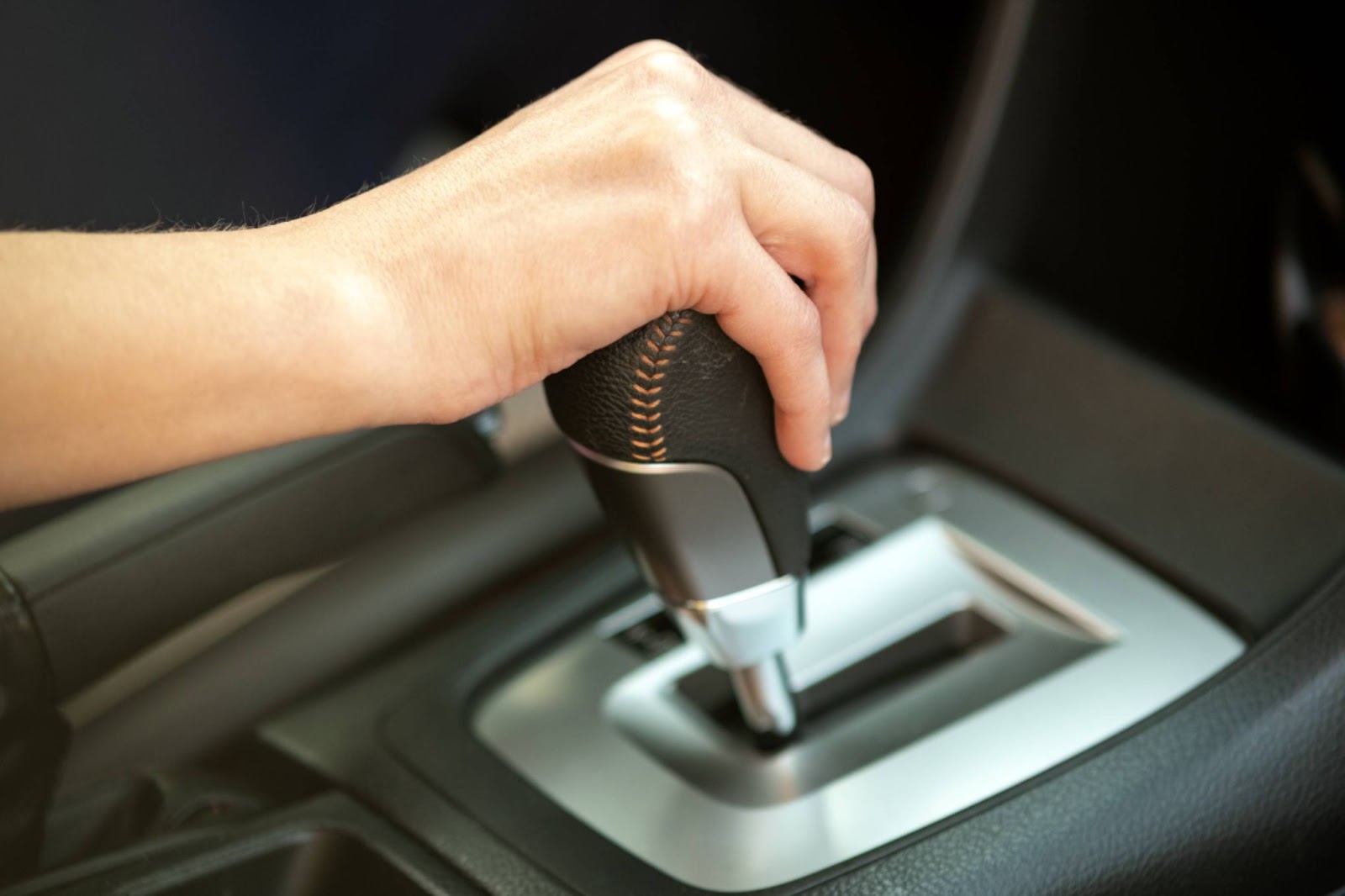
How Automatic Transmissions Work
Automatic transmissions rely on a complex system of hydraulic fluid, clutches, and torque converters to shift gears smoothly without driver input. Unlike manual transmissions where the driver controls the clutch, automatics use transmission fluid pressure to engage gears.
Why Towing Can Be Risky for Automatics
When you tow a vehicle with an automatic transmission improperly, it can cause serious damage. The transmission’s internal parts need lubrication and cooling from transmission fluid, which is circulated by a pump driven by the engine.
If the vehicle is towed with the drive wheels on the ground and the engine off (flat towing), the pump doesn’t work, so fluid doesn’t circulate. This causes the metal parts to run dry, leading to overheating, excessive wear, and possible transmission failure.
Common Damage Types From Improper Towing
- Overheating: The transmission fluid can’t cool the system without circulation.
- Gear wear: Without fluid, gears grind against each other causing premature wear.
- Seal failure: Heat and friction can degrade seals, leading to leaks.
- Torque converter damage: The torque converter relies on fluid for cushioning and cooling.
When Is Towing Safe for Automatics?
- Using a flatbed trailer: The safest method is to tow the entire vehicle off the ground using a flatbed trailer or a tow dolly that lifts the drive wheels off the road.
- Proper flat towing: Some automatic vehicles are specifically designed and rated for flat towing (all four wheels on the ground). However, this is rare and always requires following manufacturer guidelines carefully.
- Neutral towing: If flat towing is not possible, putting the transmission in neutral can reduce some risk but still isn’t safe unless the drive wheels are off the ground.
Key Takeaway
Improper towing, especially flat towing an automatic vehicle with drive wheels on the ground and engine off, risks significant transmission damage. Always check your vehicle manufacturer’s towing recommendations and consider a flatbed trailer for safe towing.
What Drive Mode Is Best for Towing?
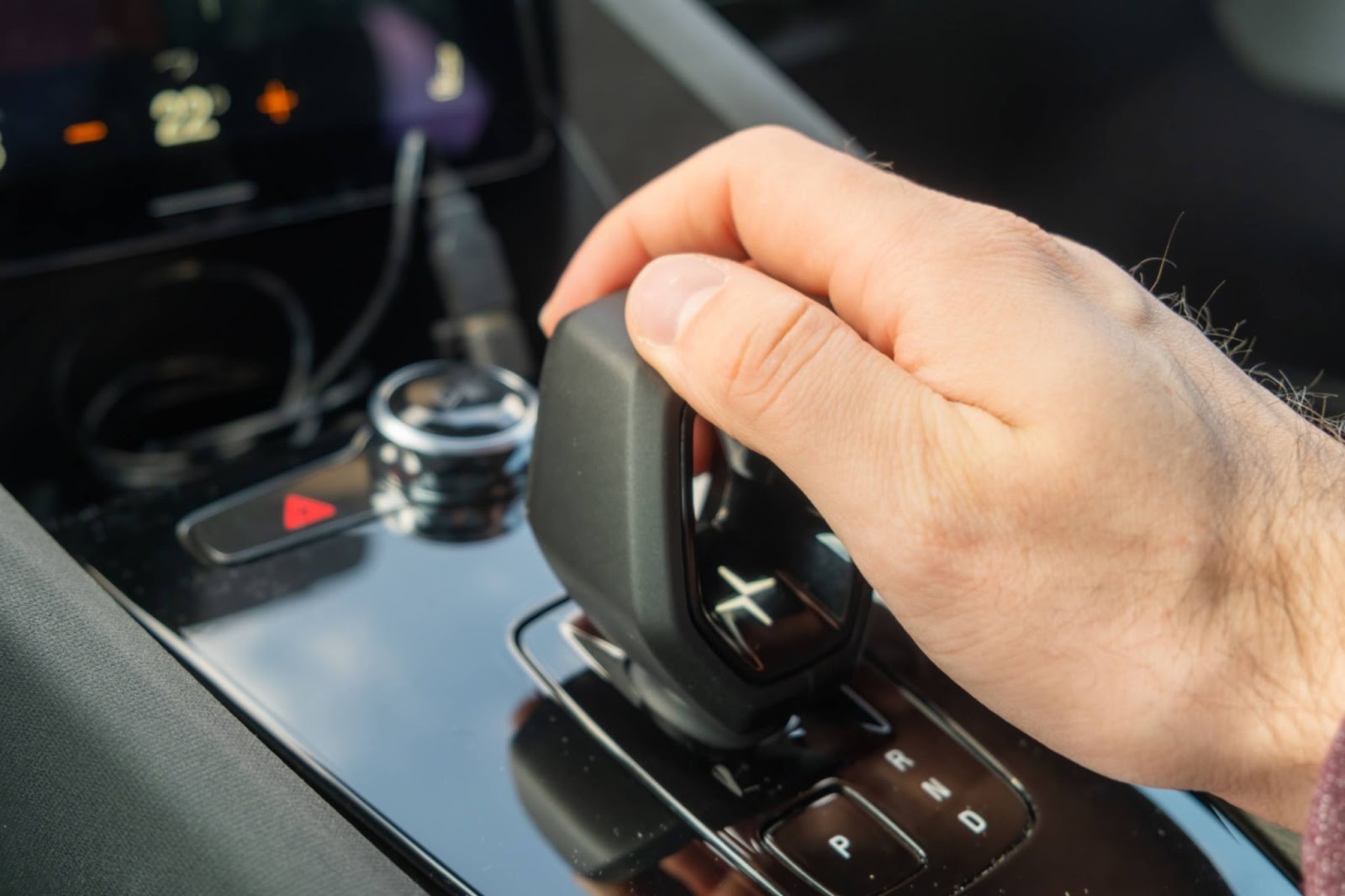
Modern vehicles often come with selectable drive modes tailored to different driving conditions, including towing. Choosing the right drive mode while towing can improve safety, vehicle control, and reduce wear on your drivetrain.
Common Drive Modes for Towing
- Tow/Haul Mode: Many trucks, SUVs, and some cars offer a specific “Tow” or “Haul” mode designed to optimize transmission shifting for towing heavy loads.
- Normal/Comfort Mode: Standard driving mode without any special adjustments.
- Sport Mode: Prioritizes performance and aggressive shifting, not recommended for towing.
- Eco Mode: Focuses on fuel efficiency, often downshifts less aggressively, not ideal for towing.
Why Tow/Haul Mode Is Best
Tow/Haul mode modifies the transmission’s shift points and engine throttle response to handle heavier loads more effectively:
- Delayed upshifts: Keeps the engine in a higher power band for longer, helping prevent lugging under load.
- Increased downshifts: Helps engine braking when descending hills, reducing brake wear.
- Transmission cooling: Some vehicles increase transmission cooling fan speed in this mode.
- Improved throttle response: Helps maintain momentum when towing uphill or during acceleration.
Additional Tips for Using Drive Mode While Towing
- Engage Tow/Haul Mode before starting your journey to let the transmission adapt immediately.
- Use manual gear selection or low gear options for better control on steep slopes.
- Avoid “Sport” or “Eco” modes during towing as they can cause inefficient shifting or lack of power.
Drive a Car for Fuel Efficiency
While towing requires specific drive modes for safety and vehicle protection, when not towing, adopting fuel-efficient driving habits can save fuel and reduce vehicle wear.
Maintaining steady speeds, avoiding rapid acceleration or heavy braking, using cruise control on highways, and ensuring tires are properly inflated all contribute to better fuel efficiency.
Minimizing idling, reducing excess weight, and using Eco mode in normal driving conditions can also improve your vehicle’s fuel economy.
What Is the Best Way to Tow a Car Across the Country?
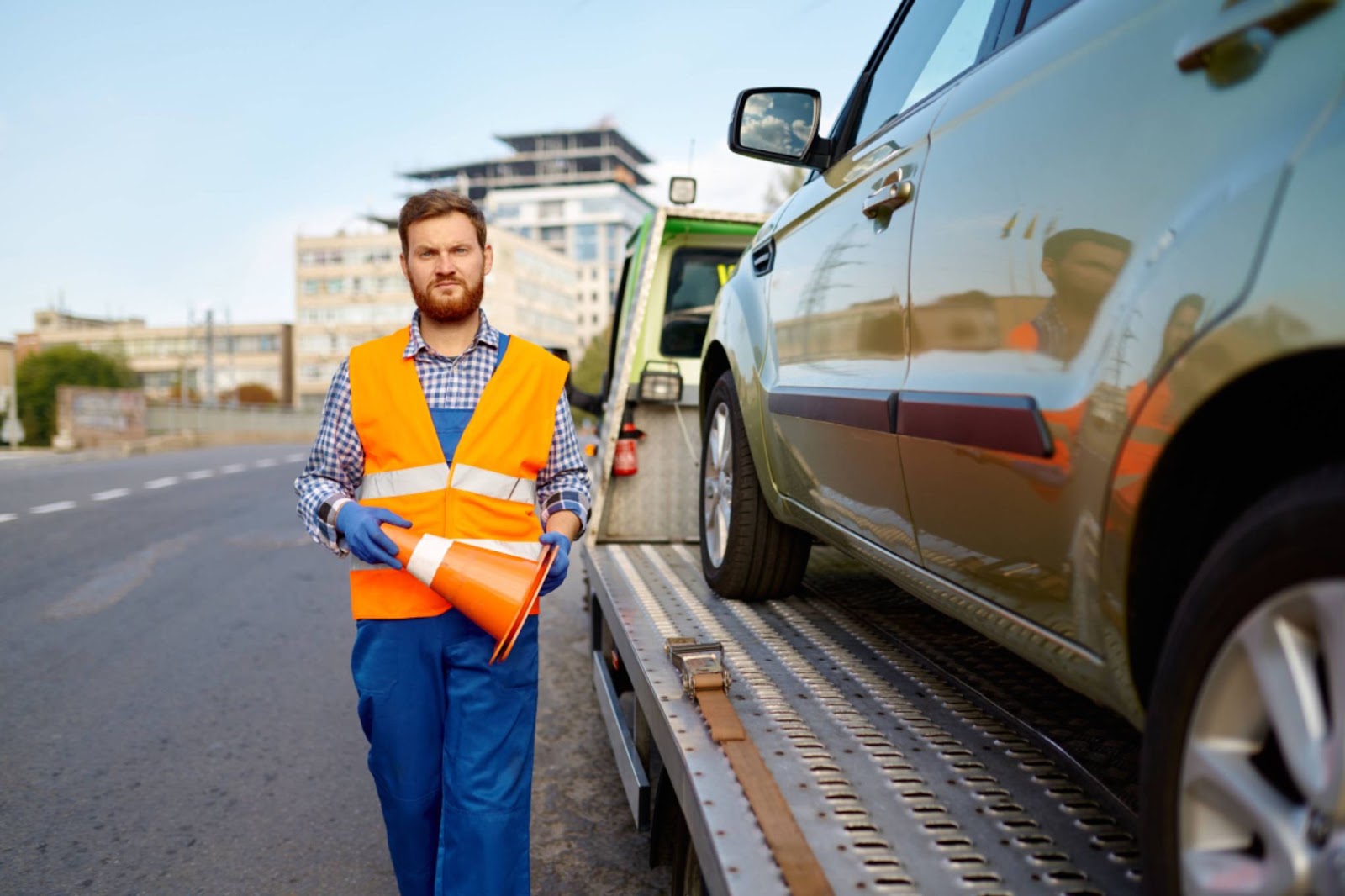
Towing a car across long distances requires careful planning to avoid damage, ensure safety, and minimize stress on the vehicle and driver.
1. Choose the Right Towing Method
There are three common ways to tow a car:
- Flatbed Trailer: The safest method, with the entire vehicle off the ground. Best for automatic transmissions and long-distance towing.
- Tow Dolly: Lifts only the front wheels off the ground, suitable for front-wheel-drive cars.
- Flat Towing (Four Wheels on Ground): Only recommended for certain vehicles rated for flat towing, mostly manual transmissions or specific automatics. Not ideal for most vehicles.
For cross-country towing, a flatbed trailer is the best option because it prevents wear on the transmission, tires, and suspension.
2. Prepare the Vehicle for Towing
- Check the owner’s manual for any special instructions.
- Secure the parking brake off and place the transmission in neutral if applicable.
- Disconnect the driveshaft or steering lock if flat towing (rare for automatics).
- Ensure tires are properly inflated and secure all loose parts.
- Use wheel chocks if loading/unloading on inclines.
3. Use Quality Towing Equipment
- A reliable, well-maintained trailer rated for the vehicle’s weight.
- Strong, properly rated tow straps, chains, or cables.
- Safety chains and working tail lights, brake lights, and indicators.
- Consider brake controllers if towing a trailer with brakes.
4. Drive Carefully During the Tow
- Maintain moderate speeds (usually below 65-70 mph or 100-110 km/h).
- Avoid sudden stops or sharp turns.
- Leave extra following distance to allow for longer braking.
- Be aware of height and width clearance if towing on roads with low bridges or narrow lanes.
- Use engine braking and Tow/Haul mode if available.
5. Monitor Vehicle and Trailer During Stops
- Check tire pressures on both tow vehicle and trailer.
- Inspect hitch connections, safety chains, and electrical connections.
- Look for any signs of shifting or damage.
- Take breaks every few hours to prevent driver fatigue.
6. Professional Transport Services
For those uncomfortable with DIY towing, or to protect a valuable vehicle, consider using professional services such as Interstate Vehicle Transport Au.
These companies specialize in transporting vehicles on enclosed or flatbed carriers, providing peace of mind and avoiding wear and tear on your car during long-distance moves.
Choosing a professional interstate car transport service ensures your vehicle is handled safely and arrives in top condition.
Final Thoughts
Towing an automatic transmission vehicle can potentially cause damage if done incorrectly, especially if the drive wheels remain on the ground without proper lubrication and cooling.
To protect your transmission, always follow your vehicle manufacturer’s towing recommendations and consider using a flatbed trailer for long-distance towing.
Selecting the appropriate drive mode, particularly Tow/Haul mode when available, helps optimize transmission performance and vehicle control while towing heavy loads.
For towing a car across the country, the safest and most reliable method is to use a flatbed trailer. Proper preparation, quality equipment, and cautious driving will ensure the vehicle arrives safely without unnecessary wear or damage.
When in doubt, professional towing and car transport services are excellent alternatives that provide expert handling and protection for your vehicle.