



Choosing the right food for your wedding is very important. Good food makes your special day more enjoyable for you and your guests.
Whether you want a fancy sit-down dinner or a casual buffet, the food should match your style and make everyone happy.
In this guide, you will learn how to pick the best wedding menu, decide what food to serve, and figure out how much food you need.
With these tips, you can plan a great meal that fits your budget and makes your wedding day even more special. A well-planned menu can leave a lasting impression on your guests and make your celebration unforgettable.
How to Choose a Wedding Menu

Step 1: Start With Your Budget
Your budget is the foundation of your wedding catering plan. Food costs vary widely depending on the style of service and menu you pick. Before you start, decide how much you want to spend on food.
- Buffet style is often cheaper. Guests serve themselves, and you can offer many dishes.
- Plated service is more formal and elegant but usually costs more because it requires more staff and preparation.
- Family-style or food stations are fun options that fall somewhere between buffet and plated meals.
Knowing your budget helps you narrow down your choices and avoid overspending on wedding catering.
Step 2: Match Food to Your Wedding Style and Venue
Your food should match the feel and theme of your wedding. Think about the location and atmosphere:
- For a formal wedding, plated multi-course meals work well.
- For a casual outdoor wedding, BBQ or comfort food fits better.
- If your wedding is at a special location like a beach, vineyard, or historic venue, including local dishes adds a unique touch.
Choosing dishes that fit your wedding style makes the whole event feel more cohesive and special.
Step 3: Know Your Guests and Their Needs
Take time to consider your guest list when planning your wedding catering menu:
- Will there be many children? Kids often prefer simple foods.
- Are there guests with dietary restrictions? Some may be vegetarian, vegan, gluten-free, or allergic to nuts or dairy.
- Are there cultural or religious dietary needs to consider?
Offering a variety of options ensures everyone finds something they enjoy and can eat safely.
Step 4: Decide on the Food Service Style
How your food is served changes the mood, cost, and flow of your wedding day:
- Plated meals: Guests get served at their tables. It’s elegant but can be slower.
- Buffet: Guests serve themselves from a variety of dishes. It’s casual and offers choice.
- Family-style: Large platters are shared at the table, encouraging conversation.
- Food stations: Different types of food in separate areas for variety and fun.
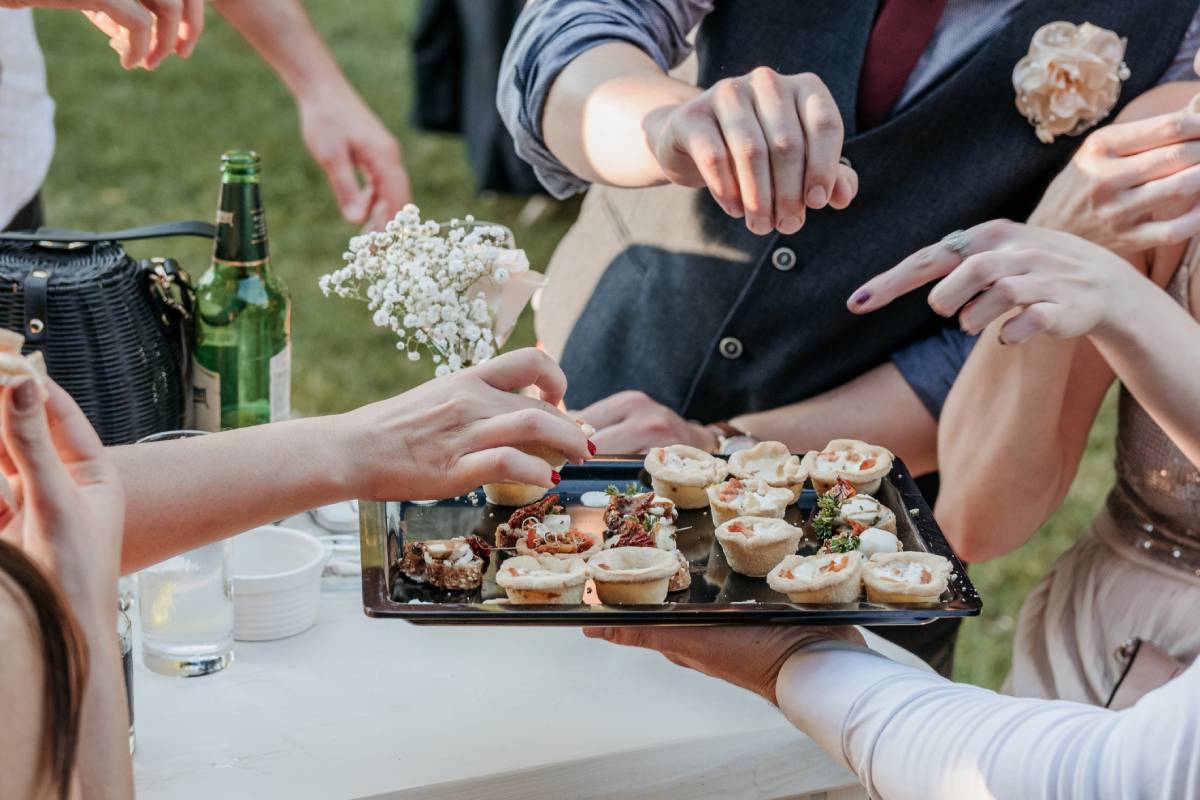
- Cocktail-style: Small bites and finger foods are perfect for mingling.
Think about which style fits your vision and budget for wedding catering.
Step 5: Work Closely With Your Caterer
Your caterer is a key partner. A good wedding catering company can:
- Recommend dishes that work well for your style and budget.
- Help you balance flavors, ingredients, and portions.
- Provide tastings so you can try dishes before finalizing.
- Suggest drink pairings to complement your menu.
Trust your caterer’s expertise to make your planning smoother.
How to Decide What Food to Serve at Your Wedding
1. Start With Your Favorites
Include dishes you and your partner love. This personal touch makes your menu unique and meaningful.
2. Use Seasonal and Local Ingredients
Fresh, seasonal produce tastes better and often costs less.
- Summer: fresh salads, grilled veggies, light seafood.
- Winter: warm roasts, stews, hearty comfort foods.
Local ingredients add freshness and support your community.
3. Balance Your Menu
Make sure your menu includes:
- Proteins: meat, fish, and vegetarian options.
- Sides: vegetables, grains, and starches.
- Different textures and flavors: crunchy, creamy, light, and hearty dishes.
A balanced menu means there’s something for everyone.
4. Include Special Diet Options
Always provide choices for guests with special diets like vegetarian, vegan, gluten-free, or allergy-friendly meals. Ask guests to let you know their needs when they RSVP.
5. Plan Your Courses
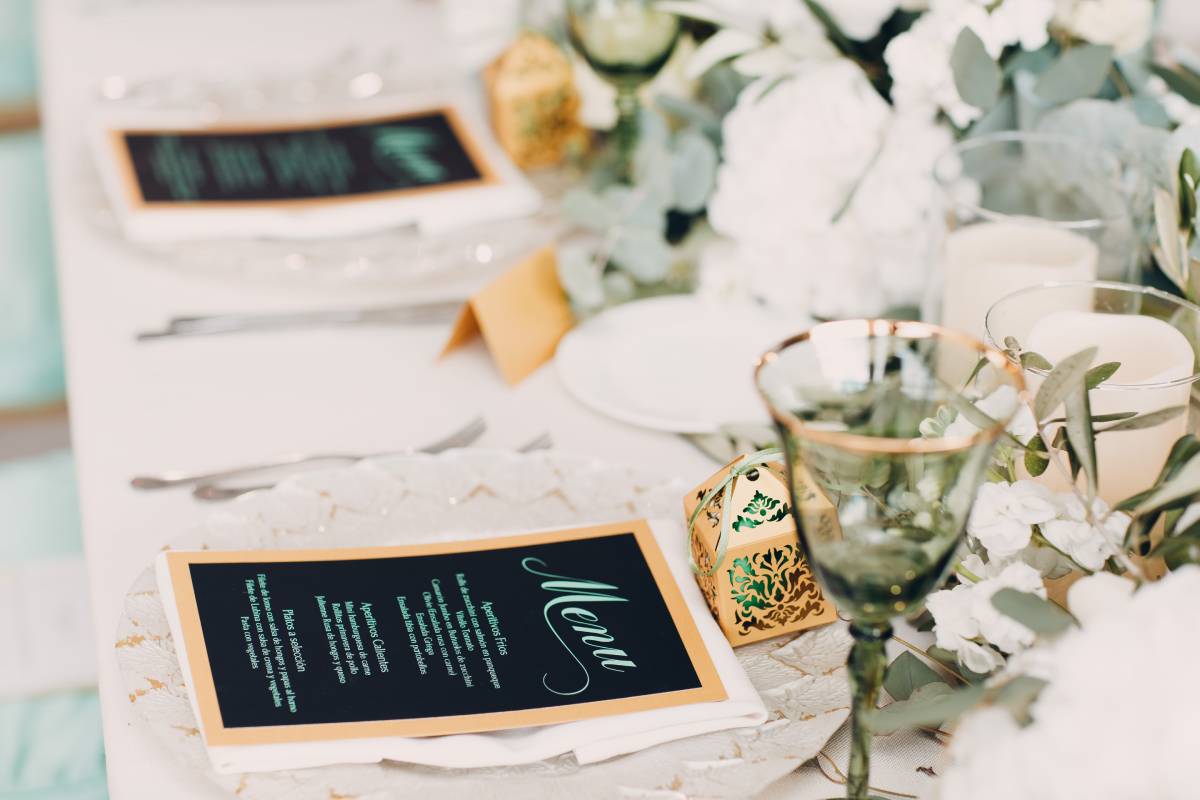
Most weddings have two to three courses:
- Starter/appetizer
- Main course
- Dessert
You can add extras like soup or palate cleansers but be aware these may raise costs.
6. Think About Drinks
Beautiful Wedding Photography is as important as your food. Choose a photographer whose style matches your vision.
Plan engagement sessions and a photo timeline to capture every special moment. A skilled photographer collaborates with your catering and event teams to preserve the joy and beauty of your day.
How to Estimate Food for a Wedding
1. Get an Accurate Guest Count
Finalizing your guest list early is important to estimate food. Include adults, children, and any vendors or staff who will eat.
2. Know Portion Sizes
Here are general guidelines per adult:
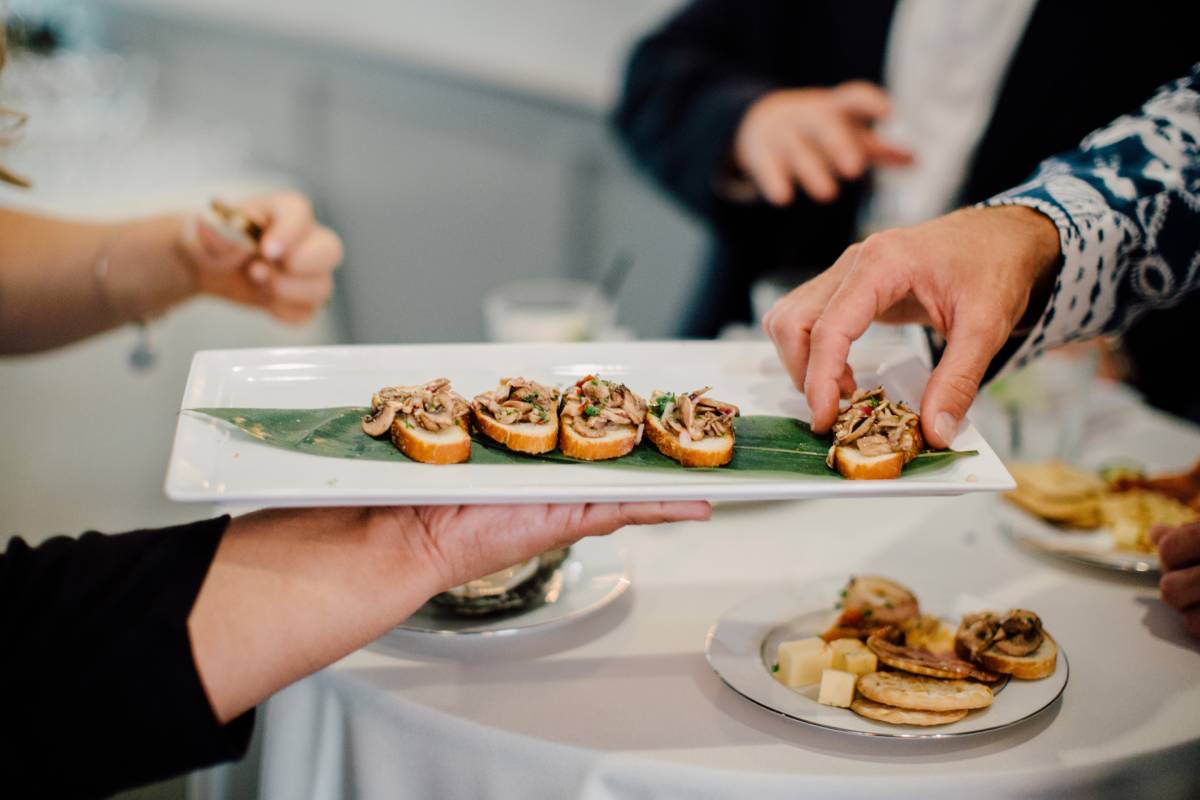
- Appetizers: 4-6 pieces before the main meal.
- Starter: 4-6 ounces.
- Main course: 6-8 ounces of protein plus sides.
- Sides: About 4 ounces per dish.
- Dessert: One serving per guest.
3. Adjust Portions by Service Style
- For buffets, plan about 1.5 times the food since guests sample multiple dishes.
- For plated meals, portion sizes are controlled, one serving per guest.
4. Consider Timing and Event Length
Longer events or evening receptions usually require larger portions. If the meal is right after the ceremony, guests may be hungrier.

5. Plan for Drinks
Estimate about one drink per person per hour for alcohol. Don’t forget plenty of water and non-alcoholic options.
6. Ask Your Caterer for Help
Your wedding catering professionals have experience estimating food and drinks based on your menu and guest count. Let them guide you to avoid waste or shortages.
Extra Tips for Your Wedding Catering
- Schedule a tasting to try dishes before your big day.
- Focus on presentation — beautiful plating enhances the experience.
- Plan for leftovers — decide if you will donate, send food home with guests, or dispose of it.
- Collect meal preferences early via RSVP cards or your wedding website.
Professional Services Wedding Catering
In addition to great food, hiring the right professional services ensures your wedding day runs smoothly and is truly memorable:
- Catering Team: Experienced chefs and servers bring your menu to life with expert preparation, presentation, and timely service.
- Event Coordinator: A coordinator can manage the catering schedule, coordinate vendors, and handle last-minute details, reducing your stress.
- Bartenders: Skilled bartenders ensure your drink service is efficient and stylish, matching your menu and guest preferences.
- Rental and Setup Services: Professionals handle tables, chairs, linens, dinnerware, and setup, creating a polished dining environment.
- Cleanup Crew: Hiring a cleanup team lets you relax and enjoy the celebration without worrying about post-event tidying.
Working with trusted professionals at Dining Abode lets you focus on celebrating while they take care of the logistics. Ask your caterer for recommendations they often partner with reliable vendors who understand wedding needs.
Final Thoughts
Choosing your wedding catering menu doesn’t have to be stressful. Start with your budget and wedding style, consider your guests’ needs, and pick dishes you love. Work closely with your caterer and plan portions carefully.
A well-planned menu will make your wedding day even more special delicious, thoughtful, and enjoyable for everyone. Your food can become a highlight of your celebration, creating lasting memories for you and your guests.