



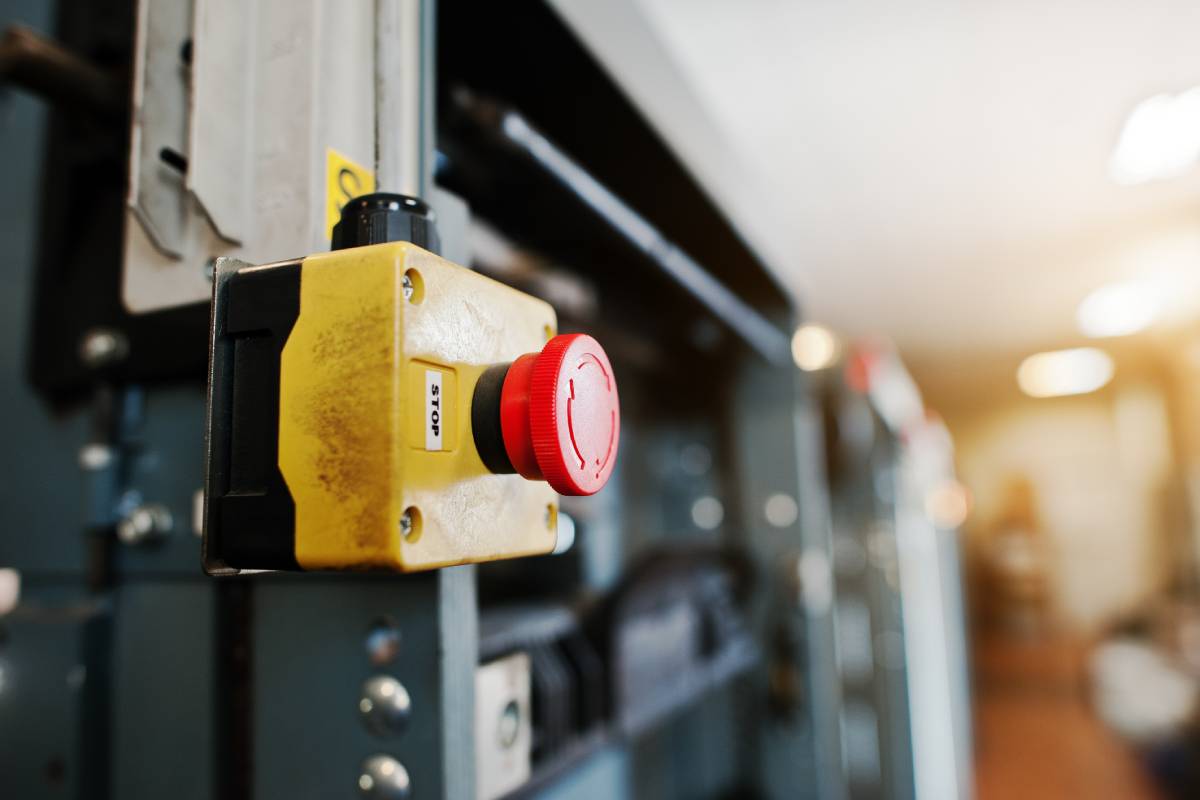
Electrical safety switches are essential components in industrial, commercial, and residential electrical systems. They help protect equipment and personnel by ensuring that electrical circuits can be safely disconnected for maintenance, emergencies, or fault isolation.
Among the various types of safety switches available, fusible and non-fusible safety switches are two primary categories. Understanding their differences, applications, and advantages can help in selecting the right switch for a specific need.
What is a Safety Switch?
A safety switch is a manually operated device that allows users to disconnect electrical power from a circuit. It acts as a control and protection mechanism, preventing electrical hazards such as short circuits, overloads, and unexpected power surges.
Safety switches are commonly used in electrical distribution systems to ensure proper isolation of power sources.
What is Fusible Safety Switches?
A fusible safety switch is a type of disconnect switch that incorporates fuses within its design. These fuses provide an added layer of protection by automatically disconnecting the power supply if an electrical fault occurs.
How Do Fusible Safety Switches Work?
Fusible safety switches contain built-in fuses that break the circuit when an overcurrent or short circuit is detected. The fuses act as sacrificial components, melting when excessive current flows through them, thereby preventing damage to electrical equipment and reducing fire risks.
Key Features of Fusible Safety Switches:
- Overcurrent Protection: Fuses protect against overloads and short circuits.
- Enhanced Safety: The inclusion of fuses reduces the risk of electrical fires and damage.
- Voltage Compatibility: Available for both low and high-voltage applications.
- Manual Operation: Users can manually open or close the switch for isolation.
Common Applications of Fusible Safety Switches:
- Industrial machinery requiring short circuit and overload protection
- Large HVAC (Heating, Ventilation, and Air Conditioning) systems
- Electrical panels in manufacturing plants
- Heavy-duty electrical equipment
What is Non-Fusible Safety Switches
A non-fusible safety switch is a disconnect switch that does not include fuses in its design. Instead, it serves purely as an isolation device, meaning it allows power to be manually turned on or off but does not provide additional overcurrent protection.
How Do Non-Fusible Safety Switches Work?
Unlike fusible switches, non-fusible safety switches rely on external circuit breakers or fuses installed elsewhere in the electrical system. These switches function primarily as disconnecting devices, ensuring that circuits can be de-energized for maintenance or emergency shutdowns.
Key Features of Non-Fusible Safety Switches:
- No Overcurrent Protection: Must be used in conjunction with external protection devices.
- Simple Design: Provides easy operation without fuses to replace.
- Lower Maintenance: No fuses mean less frequent replacements and lower costs.
- Manual Operation: Allows for manual isolation of power.
Common Applications of Non-Fusible Safety Switches:
- Motor control centres where external protection is already present
- HVAC systems with dedicated circuit breakers
- Commercial lighting and distribution panels
- Backup generators and renewable energy systems
Key Differences Between Fusible and Non-Fusible Safety Switches
| Feature | Fusible Safety Switch | Non-Fusible Safety Switch |
|---|---|---|
| Overcurrent Protection | Yes, built-in fuses | No, requires external protection |
| Application | High-risk areas needing additional safety | Systems with existing circuit protection |
| Maintenance | Requires fuse replacement after tripping | Minimal maintenance required |
| Cost | Generally higher due to fuse inclusion | More cost-effective |
| Usage | Industrial machinery, heavy-duty applications | Simple disconnect functions, commercial use |
How to Choose Between Fusible and Non-Fusible Safety Switches
When selecting a safety switch, consider the following factors:
1. Application Needs:
- If your system requires short-circuit and overload protection, a fusible switch is the better option.
- If you only need an isolation switch and already have circuit breakers in place, a non-fusible switch will suffice.
2. Safety Requirements:
- Industrial environments with high power loads should use fusible switches for added safety.
- Low-risk applications, such as office buildings and residential settings, can typically use non-fusible switches.
3. Cost Considerations:
- Fusible switches are more expensive due to the inclusion of fuses and replacement costs.
- Non-fusible switches offer a more budget-friendly alternative for applications that do not require internal fuse protection.
4. Maintenance and Convenience:
- Fusible switches require fuse replacements after tripping, which adds to maintenance efforts.
- Non-fusible switches are easier to maintain since they do not have fuses to replace.
Safety Considerations for Using Safety Switches
Regardless of the type of safety switch chosen, proper installation and usage are critical for ensuring electrical safety. Here are some best practices:
- Ensure Proper Sizing: Select a switch with the appropriate voltage and current rating for the system.
- Follow Manufacturer Guidelines: Always adhere to installation instructions provided by the manufacturer.
- Use Personal Protective Equipment (PPE): When working with safety switches, wear insulated gloves and protective gear.
- Conduct Regular Inspections: Periodically check safety switches for wear and tear, loose connections, or signs of damage.
- Train Personnel: Ensure that all personnel handling electrical systems are trained on proper switch operation and safety measures.
Conclusion
Fusible and non-fusible safety switches both play crucial roles in electrical system safety. While fusible switches provide overcurrent protection and are ideal for industrial applications, non-fusible switches offer a simple and cost-effective solution for disconnecting power.
Selecting the right switch depends on factors such as the required protection level, cost considerations, and system configuration. By understanding the differences between these two types of safety switches, users can make informed decisions that enhance both safety and efficiency in electrical installations.