



Summer is one of the most challenging times for lawns. High temperatures, dry spells, and increased foot traffic can put your grass under serious stress. While many homeowners want to keep their lawns looking lush and green, some common mistakes can actually worsen summer lawn problems. By understanding what not to do, you can protect your lawn, save water, and enjoy a healthy outdoor space all season long.
Here are the top 10 lawn care mistakes to avoid during the hot season.
1. Overwatering Your Lawn
It may seem logical to water your lawn more during hot months, but too much water can actually harm your grass. Overwatering leads to shallow root systems, making your lawn more susceptible to heat stress and drought damage. It can also encourage fungal diseases and moss growth.
Best practice: Water deeply and infrequently. Aim for 1–1.5 inches of water per week, delivered in early morning or late evening to minimise evaporation. This encourages deep root growth and a more resilient lawn.
2. Mowing Your Grass Too Short
Many homeowners trim their lawns short to make them look neat, especially during summer when growth slows. However, cutting grass too short can stress the plant, expose roots to the sun, and increase vulnerability to weeds.
Best practice: Set your mower to leave grass blades about 5–7 cm high during hot months. Taller grass shades the soil, reduces water loss, and helps prevent weed growth.
3. Neglecting Soil Health
Even with regular watering and mowing, a lawn can struggle if the soil isn’t healthy. Compacted or nutrient-poor soil restricts root growth and reduces the lawn’s ability to retain water.
Best practice: Aerate your lawn in spring or early summer to improve air and water flow to roots. Consider top-dressing with a thin layer of compost or high-quality soil to boost nutrient levels and soil structure.
4. Using the Wrong Fertiliser at the Wrong Time
Fertilising is important, but applying the wrong type or doing it at the wrong time can burn grass and worsen stress. High-nitrogen fertilisers during extreme heat can damage the lawn and increase water demand.
Best practice: Use a slow-release fertiliser formulated for summer application, or focus on balanced nutrient mixes that strengthen roots without overstimulating leaf growth. Avoid fertilising during the hottest part of the day.
5. Ignoring Lawn Pests and Diseases
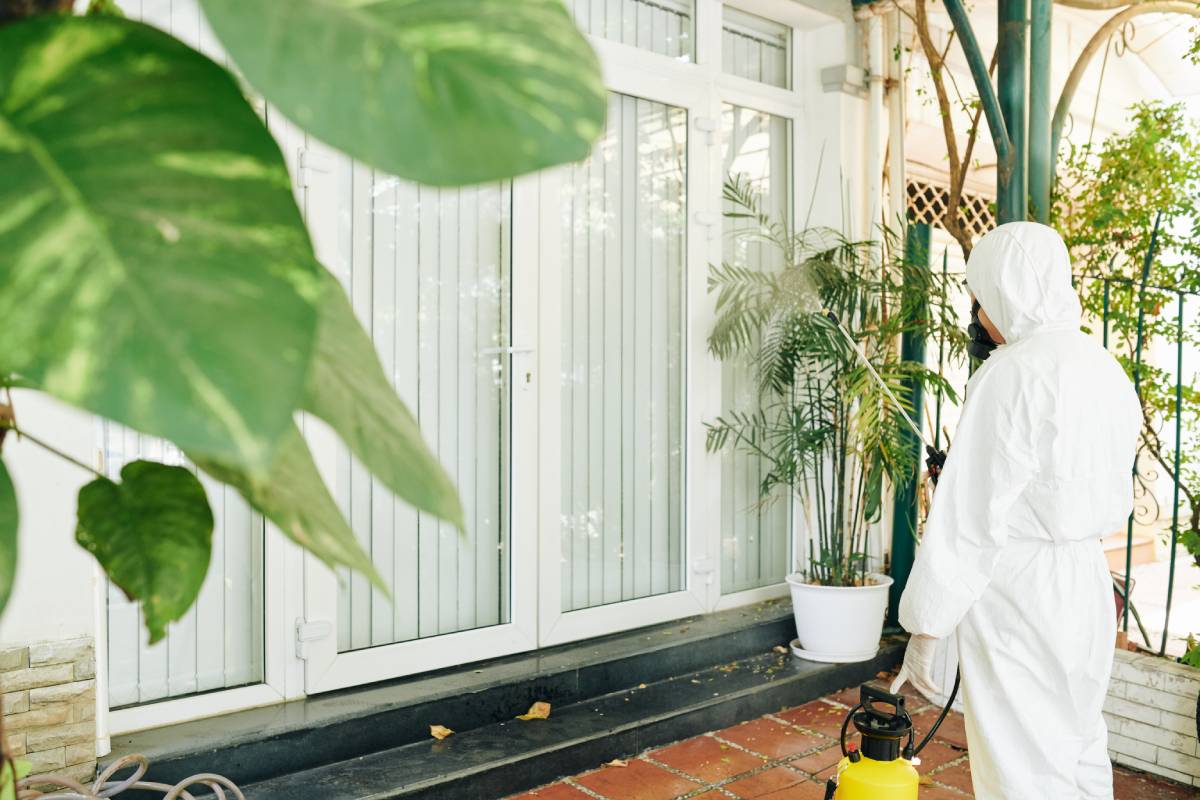
Summer heat can make lawns more susceptible to pests like grubs, armyworms, or lawn caterpillars. Diseases such as brown patch or dollar spot thrive in hot, humid conditions. Ignoring these issues can quickly lead to brown, patchy lawns.
Best practice: Inspect your lawn regularly for signs of pests or disease. Treat infestations early with appropriate measures, and remove thatch to reduce conditions that encourage disease.
6. Watering at the Wrong Time of Day
Timing matters when watering your lawn. Sprinkling water during the hottest part of the day leads to excessive evaporation, wasting water and providing little benefit to your lawn. Watering at night can also create damp conditions that encourage fungal disease.
Best practice: Water early in the morning when temperatures are cooler. This maximises water absorption and helps grass cope with heat stress throughout the day.
7. Ignoring Lawn Thatch
Thatch is a layer of dead grass and organic material that builds up at the soil surface. While a small amount is natural, too much thatch prevents water, nutrients, and air from reaching the roots. Thick thatch can worsen heat stress and increase disease risk.
Best practice: Regularly rake or dethatch your lawn as needed, ideally in spring or early summer, to maintain healthy grass growth and reduce summer stress.
8. Walking or Parking on Wet Grass
During summer, lawns are already under stress from heat and water fluctuations. Walking or parking vehicles on wet or weakened grass can damage blades, compact soil, and create bare patches.
Best practice: Avoid heavy foot traffic on wet lawns and create designated pathways or garden stepping stones to protect grass.
9. Neglecting Shade and Microclimate Considerations
Some areas of your yard may receive more sun than others, leading to uneven growth or heat stress. Ignoring these microclimates can result in scorched patches or poor turf performance.
Best practice: Observe your lawn throughout the day and provide extra water or shade to sun-exposed areas. Planting shade-tolerant grass in these spots can also help maintain uniform growth.
10. Forgetting a Summer Lawn Care Plan
Many homeowners treat summer lawn care as an afterthought, only addressing problems when they appear. Without a proactive approach, lawns can decline rapidly during hot months.
Best practice: Develop a summer lawn care plan that includes regular watering, mowing, pest inspections, and soil maintenance. Having a plan ensures your lawn stays healthy, green, and resilient all season long.
For a more comprehensive guide on keeping your lawn through summer, including detailed watering schedules, mowing tips, and seasonal fertilisation advice, check out this summer lawn care guide.
Final Thoughts
Maintaining a healthy lawn during the hot season requires a combination of smart watering, proper mowing, soil management, and pest prevention. By avoiding these common mistakes, you can protect your lawn from stress, disease, and drought damage, ensuring it stays lush and green even in extreme conditions.
For homeowners looking for expert advice or professional turf solutions, Direct Turf provides high-quality turf options and guidance for creating resilient, low-maintenance lawns suitable for Australia’s summer conditions.